

Essential Guide to Coach Bolts for Construction Projects
– Although the technical name for a Coach bolt is a Cup Square Hex bolt, they are also known as Carriage Bolts.
You may possibly know coach bolts as mushroom head bolts, dome head bolts or flat head bolts, but what exactly are they, and why are they used in modern construction? In this article, we will explain the differences between each type of coach bolt, why different projects require them, and where you can purchase them.

Understanding Coach Bolts
These bolts are designed to fasten wood to wood, but some variants can fasten wood to metal coach bolts are widely used in various projects, from small DIY tasks to large-scale construction.
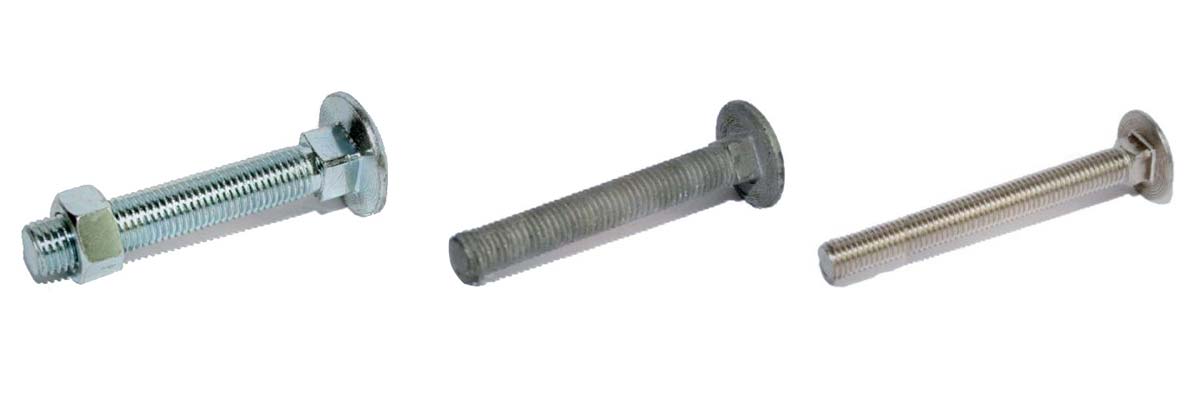
They feature a large mushroom head that sits on top of a square neck. This design prevents the bolt from turning while being attached and restricts it from loosening. The mushroom head means you can only remove this bolt from one side; ensuring your project is secure.
Zinc Plated, Galvanised, or Stainless Steel – What’s Best for Your Project?
– Indoor Use: Zinc plated coach bolts are perfect for indoor applications where they won’t be exposed to harsh weather.
– Sizes: Our best-selling zinc plated coach bolt is the M12, but we also offer sizes ranging from M6 to M20.
– Outdoor Use: Ideal for outdoor applications, galvanised coach bolts are made of steel that has been coated to protect it from rust and degradation when exposed to weather. However, these should not be used in acidic or saltwater environments.
– Sizes: Available in sizes such as M8, M10, M12, and M16.
– High Resistance: Made of grade 304-A2 stainless steel, these are perfect for environments requiring resistance to hazardous and corrosive substances.
– Special Applications: For extreme conditions, including chemical and offshore industries, we offer 316L grade stainless steel coach bolts.
How Are Coach Screws Different from Coach Bolts?
While coach bolts and coach screws sound similar, they are different fasteners. Coach bolts have a dome head and require a nut or threaded fixing to fasten them to wood. In contrast, coach screws have a hexagon head and can be screwed directly into wood without additional fixings. However, coach bolts have greater holding strength than coach screws.
Project Examples Using Coach Bolts:
Timber Framing: Essential in constructing timber frames for houses or large buildings, providing the necessary strength and stability.
Decking: Secure decking frames to supporting posts with coach bolts to create a durable and safe outdoor space.
Bridges and Walkways: Use coach bolts to build wooden bridges and elevated walkways that can support significant weight and withstand environmental stresses.
Roof Structures: In wooden roof trusses or frames, coach bolts provide the strength needed to hold the structure together, especially in high-wind or heavy snow areas.
Furniture Assembly: Coach bolts are ideal for putting together heavy-duty outdoor furniture like benches and tables.
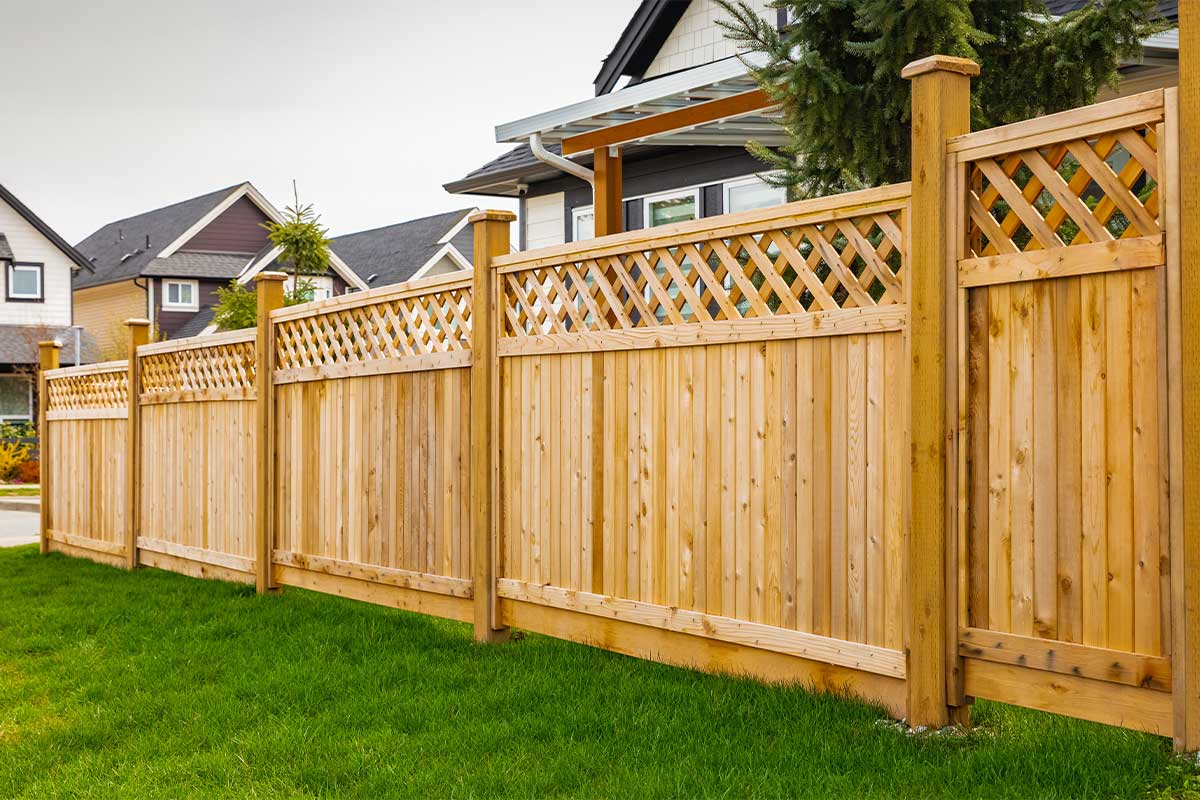
Fencing: Secure wooden fence panels to posts with coach bolts for a robust and stable fence.
Garden Structures: Use coach bolts for building your own garden sheds, building pergolas, and trellises to ensure they remain sturdy and safe.
In summary, coach bolts, are indispensable in both small and large projects. Whether you’re assembling garden furniture or constructing a timber-framed house, the right type of coach bolt ensures a secure, durable, and reliable connection. For more information about selecting the ideal coach bolt for your project, contact our team on 01206 793100 or [email protected].