

Understanding the Different Types of Washers and Their Uses
Washers are essential components in construction and engineering, providing stability, distributing loads, and enhancing the longevity of fastened connections. At Speedy Fixings, we stock a variety of washers designed to suit specific applications. In this blog, we will explain the main types of washers, their features, and how they are used.
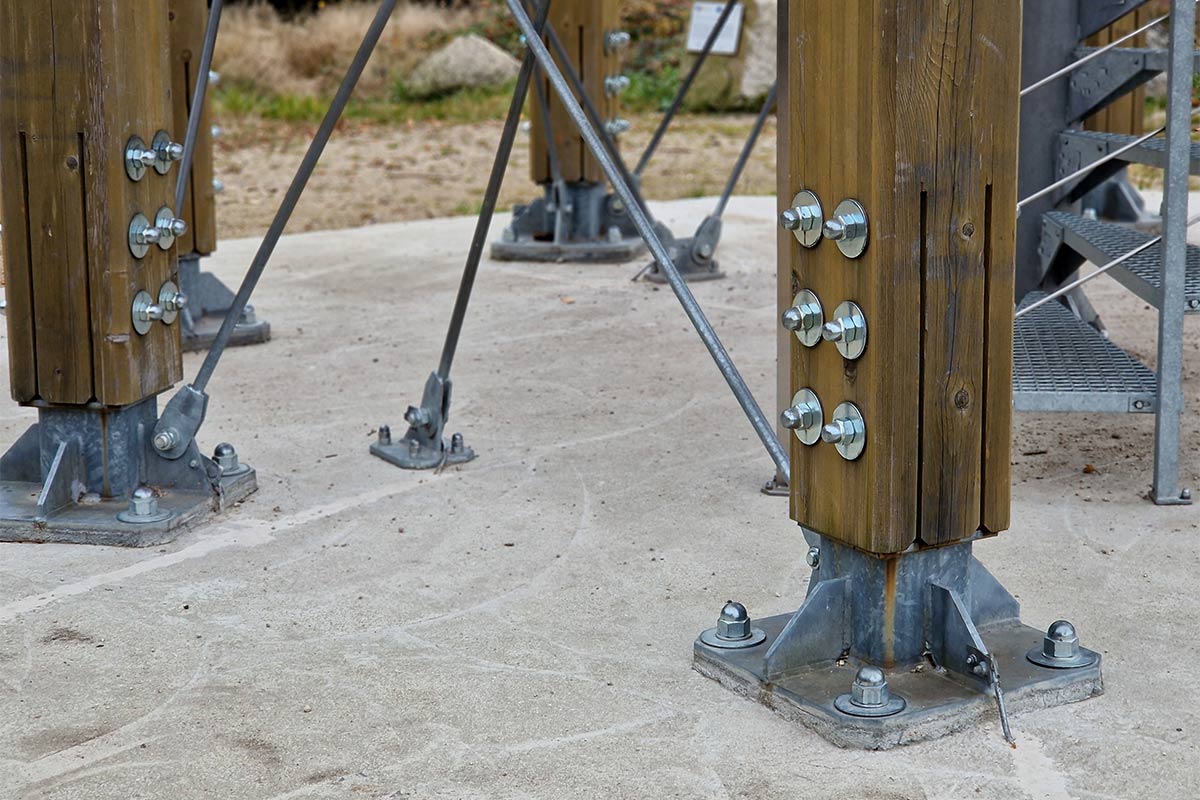
Round Washers
Round washers, often referred to as flat washers, are the most commonly used. They are designed to spread the load of a bolt or screw over a larger area, reducing stress on the material beneath and preventing surface damage. These washers are versatile and suitable for most fastening applications, particularly when working with softer materials such as wood or plastic.
Plate Washers
Plate washers, also known as square washers, are larger and thicker than standard round washers, providing enhanced strength and stability. They are commonly used in heavy-duty applications such as structural steel connections, timber frames, or other load-bearing situations. Their substantial size ensures optimal load distribution, reducing the risk of deformation or failure under high stress.
Taper Washers
Taper washers are designed for angled or sloping surfaces, compensating for the incline to ensure that the nut or bolt seats properly. This prevents uneven pressure, reducing the likelihood of loosening over time. They are often used in structural applications, such as with I-beams or other non-level surfaces.
Penny (Large O.D.) Washers
Penny washers have a significantly larger outer diameter (O.D.) compared to their inner hole. This makes them ideal for covering oversized or irregular holes, reinforcing weaker materials, or distributing load across a wider area. They are frequently used in carpentry, plumbing, and lightweight structural tasks.
Lock Washers
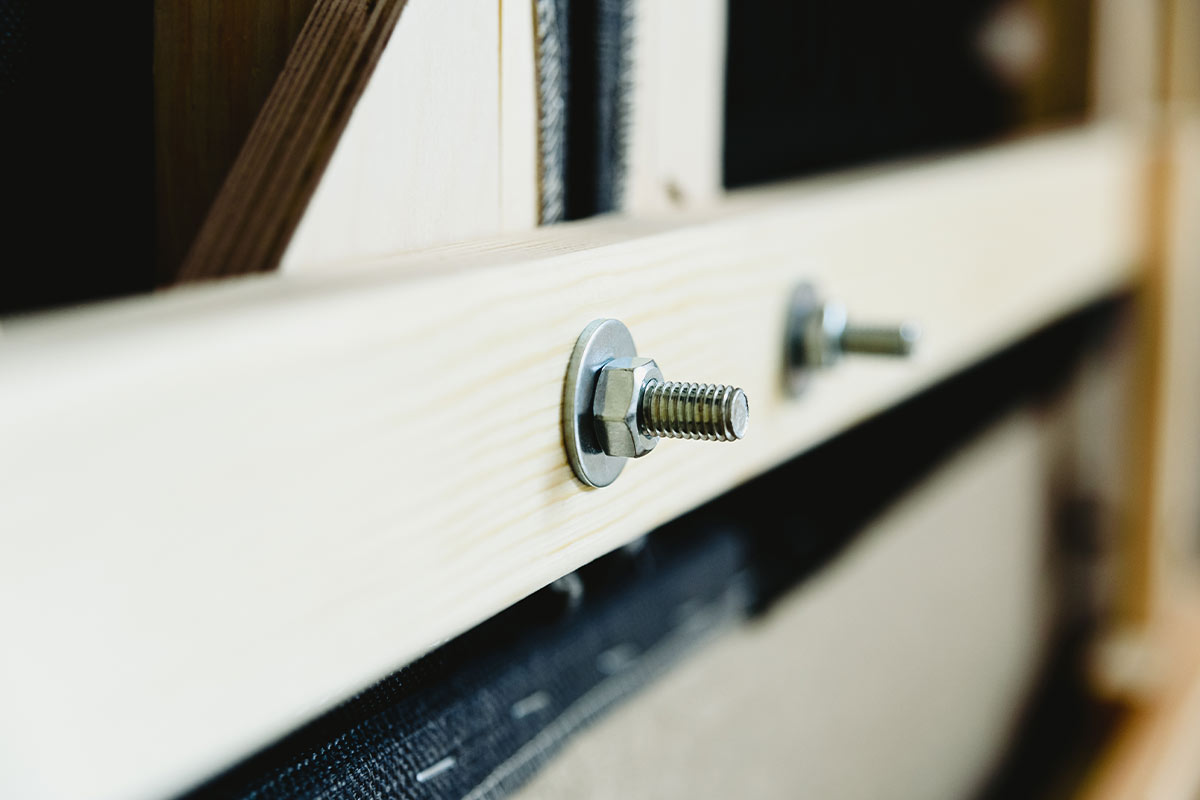
Lock washers are designed to prevent bolts or nuts from loosening due to vibration or torque. Their unique shape – whether split, toothed, or conical – creates tension that resists movement. Lock washers are essential in dynamic environments such as machinery, vehicles, and appliances.
Washers vs. Packers and Shims
While washers focus on load distribution and securing fasteners, packers and shims serve different purposes. Packers and shims are used to fill gaps, level surfaces, or align components during assembly. They offer precise adjustments in applications such as flooring, door installations, or heavy machinery setup.
Washers, by contrast, are integral to the fastening process, ensuring bolts and screws perform optimally.
At Speedy Fixings, we offer a comprehensive range of washers to suit your project requirements. Browse our selection online, or contact us for expert advice on choosing the right fixing solution for your needs.