
Plastic vs Metal Shims: Which Should You Use?
Shims, also known as packers or spacers, are small components often used in construction and installation work. There are different types of shims used to fill gaps, level surfaces, and make fine adjustments when fitting doors, windows, cabinets, machinery, and more.
A common question is whether plastic or metal shims are the better option. The answer depends largely on the application, environment, and load requirements. Below, we look at the main differences between plastic and metal shims and when each should be used.

What Are Plastic Shims Used For?
Plastic shims are widely used in construction and DIY because they are relatively inexpensive, lightweight, durable, and moisture resistant. They are commonly used for tasks such as installing window frames, levelling fixtures, or adjusting plumbing components.
One major advantage of plastic packers is their resistance to water and rot. Unlike some natural materials, plastic will not absorb moisture or deteriorate over time. This makes plastic shims a practical choice for areas exposed to humidity, such as bathrooms, kitchens, or outdoor installations.
High-performance plastic shims are also available. Hi-load plastic packers are manufactured from materials such as polycarbonate and polyamide, allowing them to withstand extremely high loads without cracking or deforming. These are often used where strength is required, but corrosion resistance is also important.
When Should You Use Metal Shims?
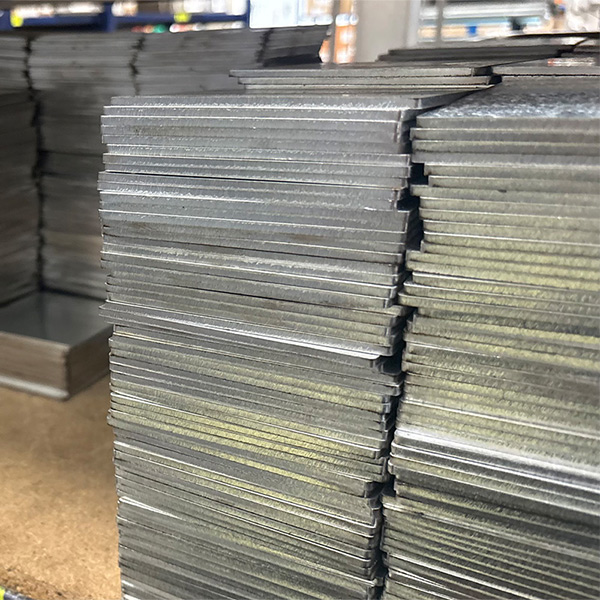
Metal shims are typically chosen when maximum strength and durability are required. They are widely used in structural, mechanical, and industrial applications where components must remain perfectly aligned under heavy loads.
Steel packers are commonly used to level and align equipment, production machinery, and heavy structural elements. Because metal shims are rigid and extremely strong, they maintain their shape even under significant pressure.
Metal shims also work well in outdoor environments, particularly when galvanised or made from stainless steel.
Another benefit of metal shims is their precision. They are manufactured to exact thicknesses, which is essential when machinery or structural components require precise alignment.
Choosing the Right Shim for the Job
When deciding between plastic and metal shims, the main factors to consider are load, environment, and precision.
Plastic shims are often best for general construction tasks, door and window installation, plumbing adjustments, and other applications where moisture resistance and flexibility are important.
Metal shims are better suited to heavy-duty applications, industrial settings, and situations where long-term structural stability is required.
A Wide Range of Shims Available
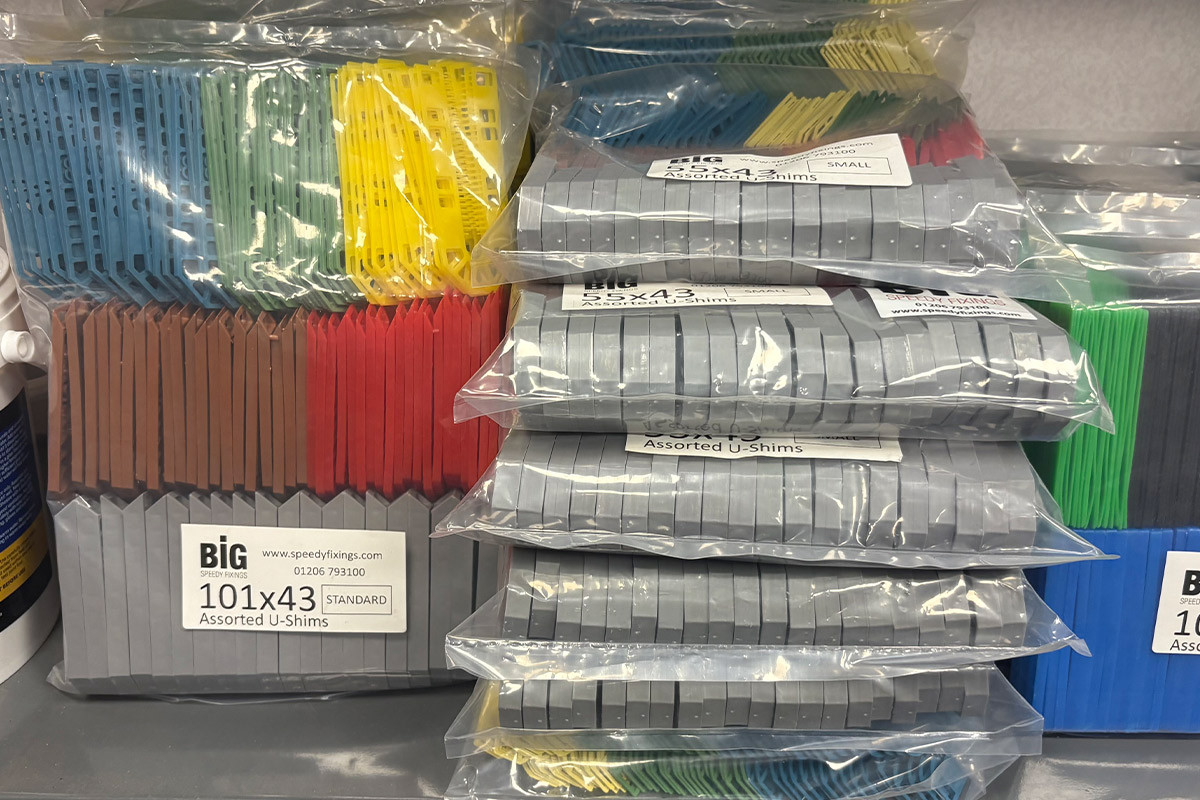
At Speedy Fixings, a wide range of packers and shims are available to suit different applications. These include steel square shims, plastic horseshoe packers, custom shims and more.
Whether you need corrosion-resistant plastic packers for installation work or strong steel shims for heavy-duty alignment, choosing the right shim will help ensure a stable and reliable result.