
How to Choose the Right Concrete Bolt or Screw for Your Project
When fixing into concrete, brick, or masonry, using the correct bolt or screw is essential. The right fixing provides strength, safety, and long-term reliability, while the wrong one can lead to insecure installations, cracked surfaces, or even structural failure.
Whether you’re mounting shelves, securing steelwork, or installing a joist hanger, understanding which fixing to use will save time, reduce risk, and improve the overall finish.
At Speedy Fixings, we supply a wide range of concrete fixings suitable for trade and DIY use. Here’s a simple guide to help you make the right choice for your project.
Understand What You’re Fixing
Start by identifying what you’re attaching and how much load it needs to support. This will help you decide on the correct fixing strength and type.
- Light-duty fixings: Shelving brackets, signage, or electrical conduit.
- Medium-duty fixings: Timber battens, fencing posts, or light structural supports.
- Heavy-duty fixings: Structural steelwork, heavy machinery, or concrete frames.
It’s also important to consider the direction of the load. Some fixings handle tensile loads (pulling forces), while others perform better under shear loads (sideways forces). Matching the fixing to the load type ensures a secure and lasting result.
Choose the Right Type of Concrete Fixing
Concrete Screws (Masonry Screws)
Concrete screws are strong and fast to install. They cut their own thread into pre-drilled holes, removing the need for plugs. Perfect for both medium and heavy-duty applications.
Best for: Fixing battens, plates, or frames into solid concrete or brick.
Through Bolts
Through bolts are expansion anchors designed for heavy-duty use. When tightened, they expand inside the hole, gripping the concrete securely.
Best for: Fixing steel base plates, brackets, and handrails.
Frame Fixings
These combine a long screw and plastic plug, making them ideal for lighter installations. They’re common in window, door, and uPVC frame fitting.
Best for: Timber or plastic frames in concrete or blockwork.
Concrete Bolts
Concrete bolts deliver excellent strength with minimal expansion stress, reducing the risk of cracking the base material. Available in zinc or stainless steel finishes for corrosion resistance.
Best for: Structural applications in concrete, brick, or stone.
What Size Concrete Bolt or Screw Do You Need?
The fixing’s diameter and length determine how much load it can handle. Thicker bolts provide more tensile strength, and longer ones offer deeper anchorage.
As a general rule:
- Use longer fixings for heavier loads or layered materials.
- Always check the product’s load data for safety-critical applications.
- For structural work, consult an engineer or manufacturer’s guidelines.
Don’t Forget the Right Drill Bit and Torque
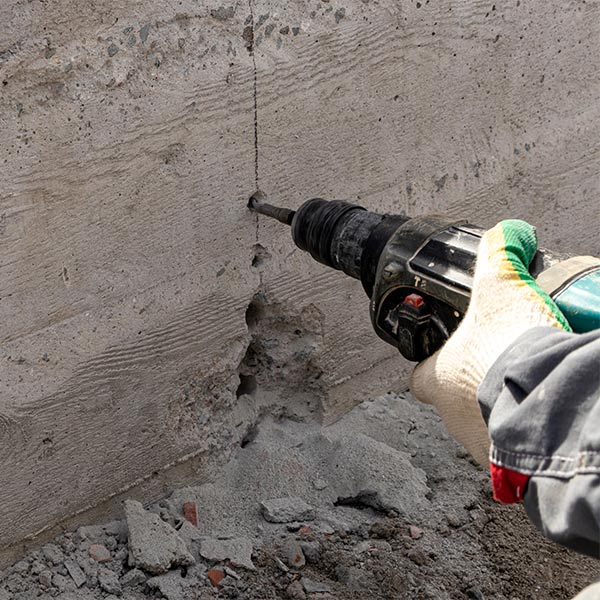
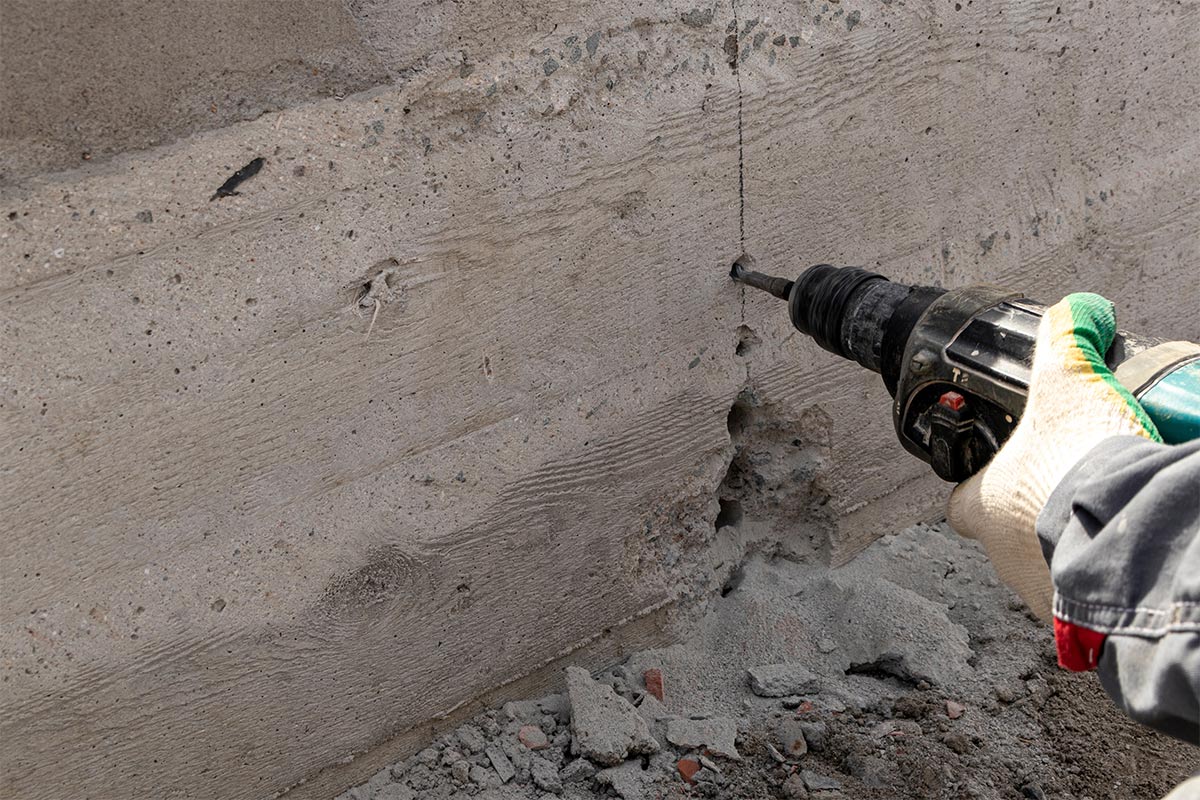
Accuracy matters. Most concrete fixings need a pilot hole drilled with an SDS or masonry drill bit. Match the bit size to the fixing exactly – too loose and it won’t grip, too tight and it won’t seat properly. Avoid over-torquing screws, as this can strip threads or crack the material.
FAQ: Can I Use Regular Screws in Concrete?
No. Standard wood or metal screws are not strong enough for concrete or masonry. They lack the cutting power and thread design to grip effectively. Always use purpose-made concrete bolts or masonry screws for a reliable hold.
Get Quality Fixings from Speedy Fixings
From small domestic jobs to commercial builds, we provide durable concrete bolts, screws, and structural accessories built to perform. Whether you’re securing battens, installing heavy supports, or fitting a joist hanger, our products ensure professional, lasting results.
Explore our full range of concrete fixings today and get the job done safely and securely with Speedy Fixings.