

Joist Hangers Explained: Types, Sizes, and Installation Tips
Whether you’re building a deck, laying floors, or constructing a timber frame structure, joist hangers play a critical role in supporting and securing joists to structural beams or walls. They offer a fast, reliable, and safe method of connection, reducing the need for notching or drilling timber, and improving the overall strength of the structure.
In this guide, we’ll explain the most common types, how to choose the right size, and share a few tips for proper installation.
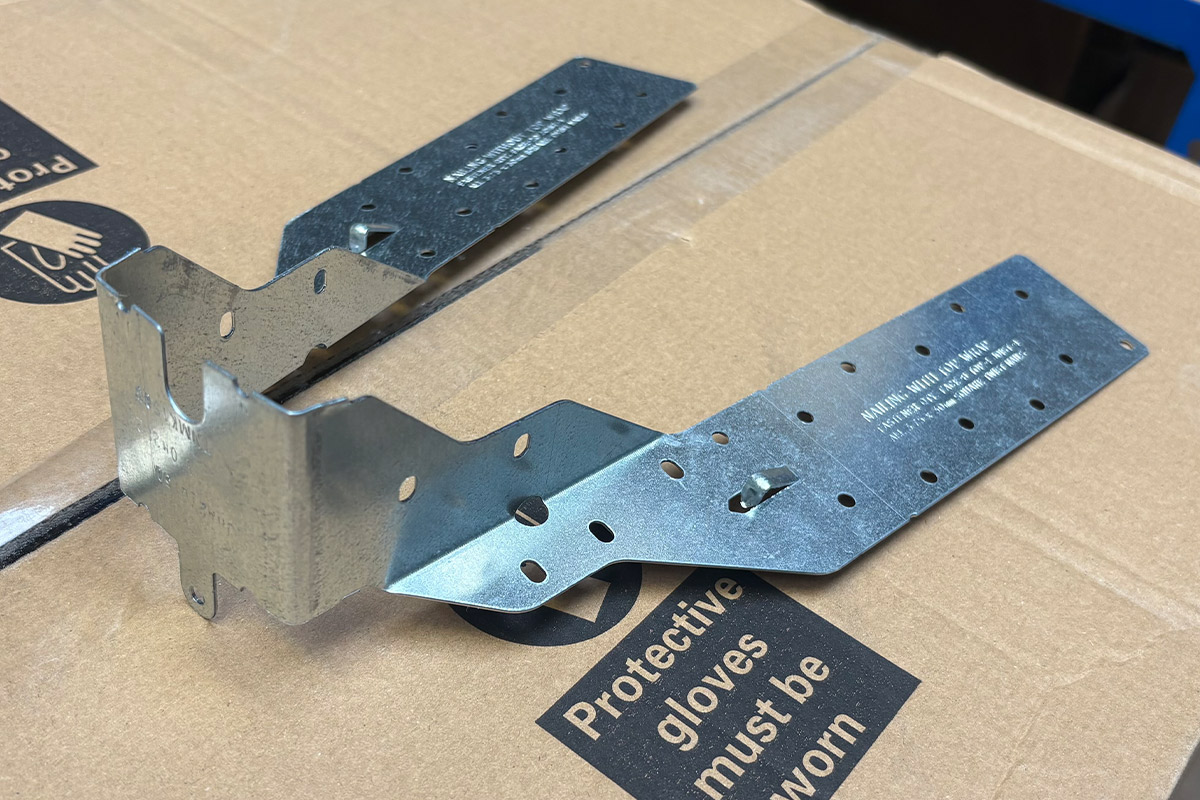
Types of Joist Hangers
Understanding the different types of joist hangers helps you select the most suitable option for your project:
These are the most common type and are fixed directly to the face of the supporting timber or masonry. Ideal for general use in floors and roofs.
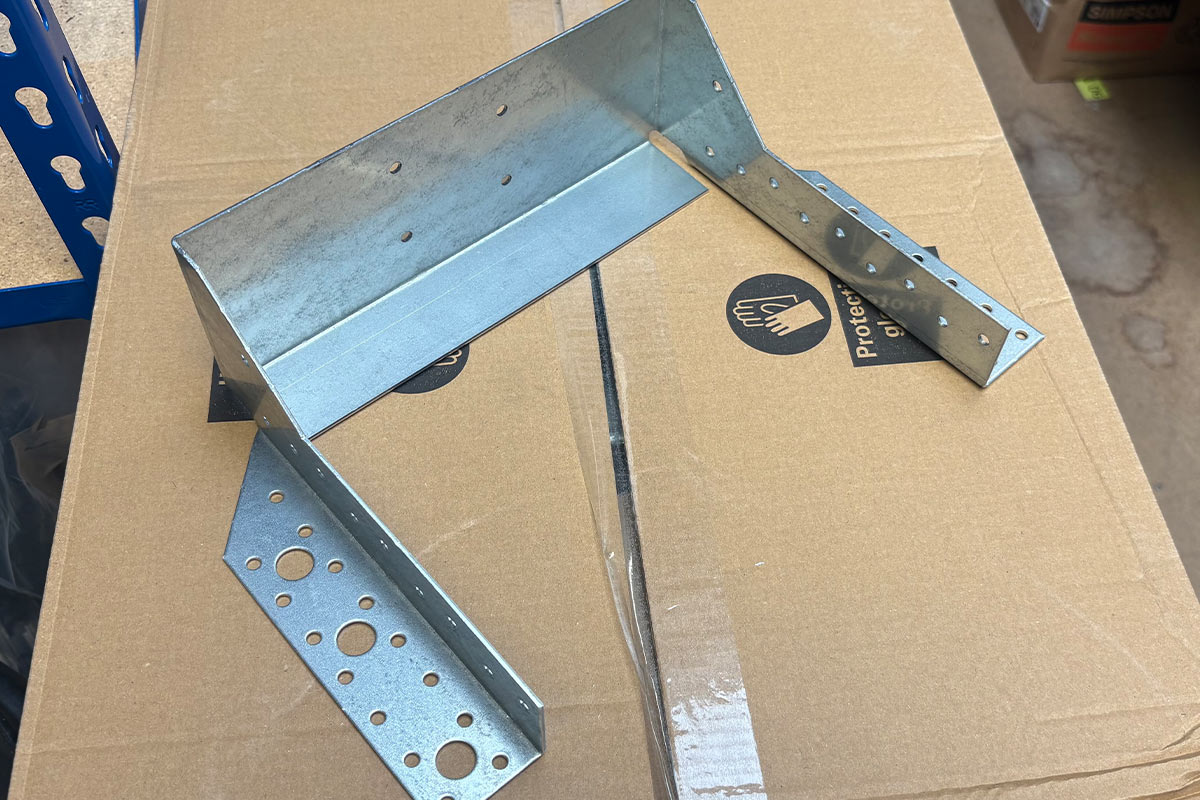
Designed for applications where joists need to be fixed at varying depths. The longer legs can be cut or bent to suit the project’s requirements.
Used to support joists fixed into masonry walls. These are built with stronger materials and are embedded into brickwork or blockwork for a secure hold.
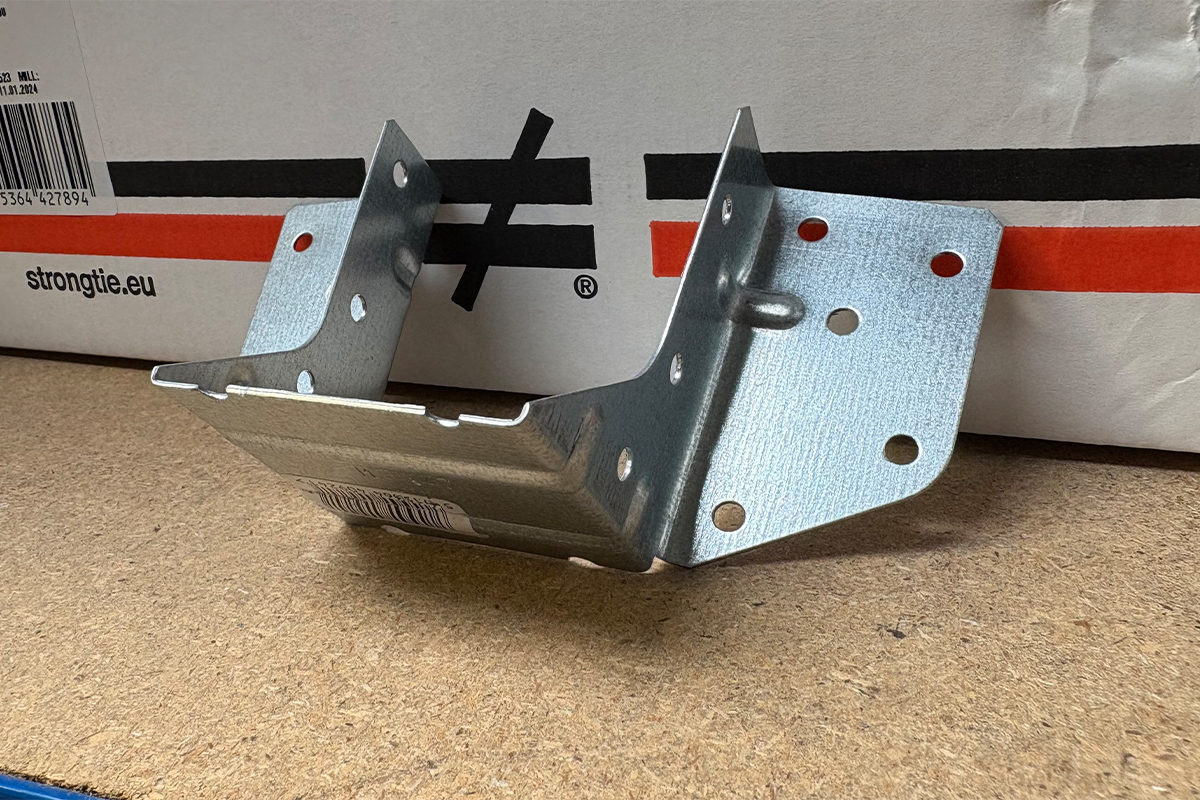
Perfect for lighter-duty applications such as decking or fencing where full-size hangers are not necessary.
Choosing the Right Size
To get the best performance from your joist hangers, you must select the correct size. Always consider:
- Joist width and height – The hanger should fit snugly without gaps.
- Load requirements – Heavy-duty hangers are needed for structural applications; lighter options can be used for non-load-bearing areas.
- Fixing surface – Some hangers are better suited to timber-to-timber fixing, while others are specifically designed for masonry.
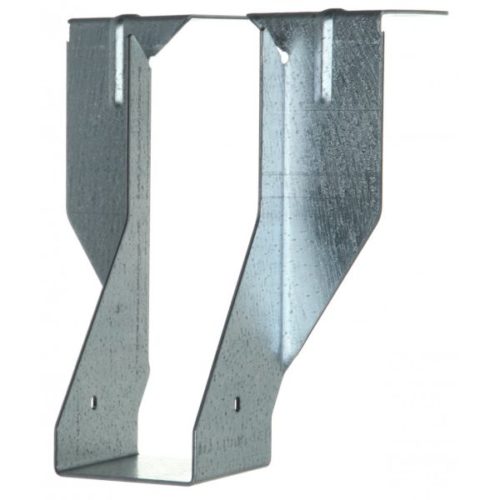
At Speedy Fixings, our product listings include size and load capacity details to make selection easy and accurate.
Joist Hanger Installation Tips
- Use all the nail or screw holes – For the hanger to perform as intended, you must use all designated fixing points.
- Choose the right fasteners – Use nails or screws that meet the manufacturer’s recommendations.
- Ensure tight fit – The joist should fit snugly inside the hanger without wiggle room.
- Avoid overloading – Don’t exceed the hanger’s rated load capacity.
- Check alignment – Joists and hangers should sit level and flush for structural integrity.
Proper installation is essential to ensure safety and long-term performance.
Order Joist Hangers Online from Speedy Fixings
From domestic builds to commercial construction projects, Speedy Fixings stocks a comprehensive range of joist hangers in multiple sizes, types, and finishes. With fast UK delivery and reliable stock levels, we’re your go-to shop for builders’ metalwork.
Browse our full selection of joist hangers and order online today or for more help to pick the correct Joist Hanger, give us a call on 01206 793100 or email us at [email protected].