

What Are Rivnuts and How Do They Work?
At Speedy Fixings, rivnuts (also known as nutserts) are a key part of our fixing range because they solve a common problem: how to add a strong, reusable internal thread into thin or hollow materials where tapping isn’t possible.
Rivnuts are used alongside traditional rivets and rivet tools and are widely specified in metalwork, automotive applications, enclosures, and general fabrication where access is limited to one side of the material.
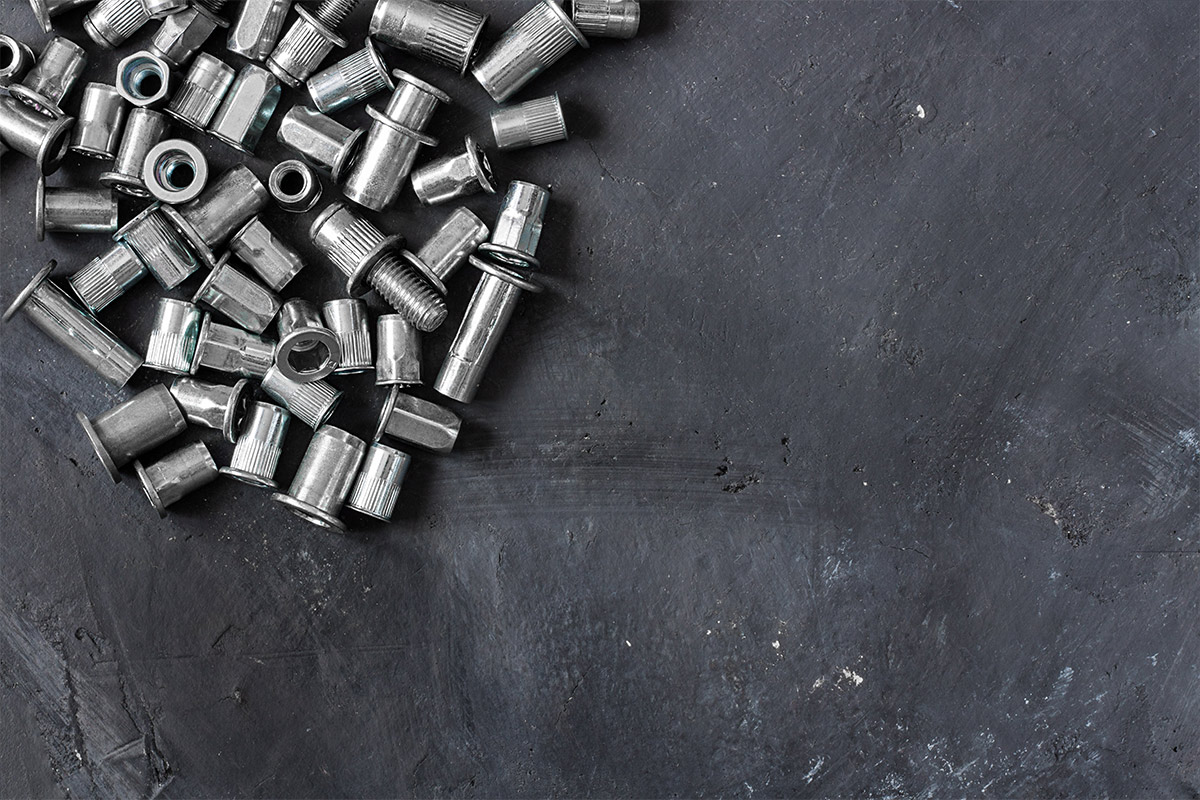
What Is a Rivnut?
A rivnut is a threaded insert installed into a pre-drilled hole in thin sheet or hollow material. Once installed, it provides a permanent internal thread, allowing bolts to be fitted and removed multiple times without damaging the base material.
Unlike a standard blind rivet, which permanently clamps materials together, a rivnut is designed to accept a bolt. This makes it ideal for applications that require future access, servicing, or component replacement.
Speedy Fixings stocks thin sheet round body rivnuts in metric sizes, including:
- Zinc-plated thin sheet round body rivnuts
- Stainless steel (A2) thin sheet round body nutserts for improved corrosion resistance
These are suitable for light-gauge steel, aluminium panels, and other thin sheet applications.
How Are Rivnuts Installed in Thin Material?
Rivnuts do not create a thread in the base material itself. Instead, they are installed into a pre-drilled hole using a dedicated rivnut tool (also known as a nutsert tool).
During installation, the tool pulls on the internal thread of the rivnut while holding the body in place. This action causes the rivnut body to deform and clamp tightly against the rear of the sheet material, locking it in position.
Once set, the rivnut provides:
- A secure mechanical fixing
- A neat, flush finish on the surface
- A reliable internal thread where tapping is not possible
Choosing the Right Rivnut Tool
Rivnuts require specific rivnut tools rather than standard hand riveters used for blind rivets.
Depending on rivnut size and material, installation can be carried out using:
- Manual rivnut tools for light-duty and smaller sizes
- Lever or heavy-duty rivnut tools for larger diameters and higher grip requirements
Using the correct tool ensures the rivnut sets properly and avoids spinning or incomplete deformation.
Round Body vs Hex Body Rivnuts
Round body rivnuts are quick to install and are commonly used in light- to medium-duty applications where installation speed is important and torque resistance is not critical.
They are typically used where:
- Fast installation is required
- Loads are moderate
- Thin sheet material is being fixed
Hex body rivnuts require a shaped (hexagonal) hole and are better suited to higher-torque applications. The hex body helps prevent the rivnut from spinning once installed, making them ideal where higher tightening forces are expected.
Open End vs Closed End Rivnuts
- Open end rivnuts are the most common type and allow longer bolts to pass through the insert.
- Closed end rivnuts seal the thread, helping to protect against moisture, dirt, and corrosion. These are often specified for outdoor, automotive, or electrical enclosure applications.
Rivnuts vs Rivets: Choosing the Right Fixing
Speedy Fixings also supplies a wide range of standard blind rivets, including:
- Aluminium/steel dome head rivets
- Countersunk head rivets
- XL dome head rivets
- Stainless steel (A2) rivets for corrosive environments
Rivets are best suited to permanent joints where removal is not required. Rivnuts are the better option when a threaded, removable fixing is needed in thin material.
With the correct rivnut tools and fixings, rivnuts provide a clean, strong, and professional solution for threaded fixings in sheet materials.
Explore our full range of rivets, rivnuts, and tools online at Speedy Fixings. If you can’t find what you need, contact us to discuss custom fixing solutions.