
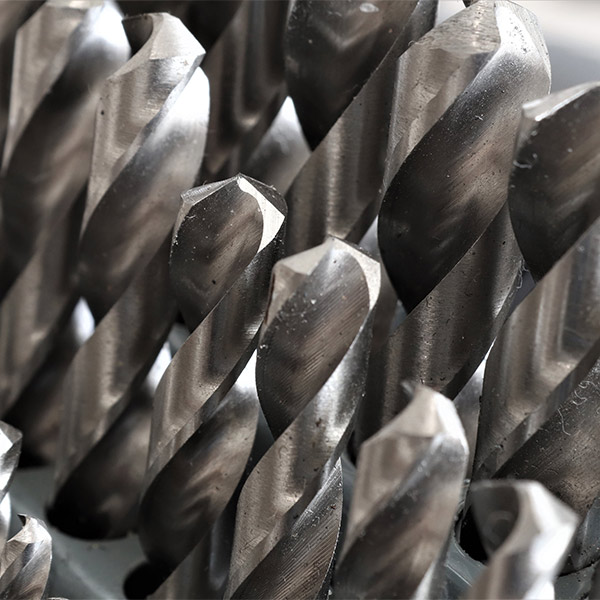
Which Drill Bit Should I Use for Metal, Wood, or Concrete?
Choosing the right drill bit is one of the simplest ways to get a cleaner finish, work faster, and avoid damaging tools or materials. Using the wrong bit can lead to blunt edges, snapped tips, oversized holes, or fixings that don’t hold properly. This guide explains how to choose the correct drill bit for metal, wood, or concrete, and highlights common mistakes to avoid.
At Speedy Fixings, we stock a wide range of drill bits because no single type works across every material.
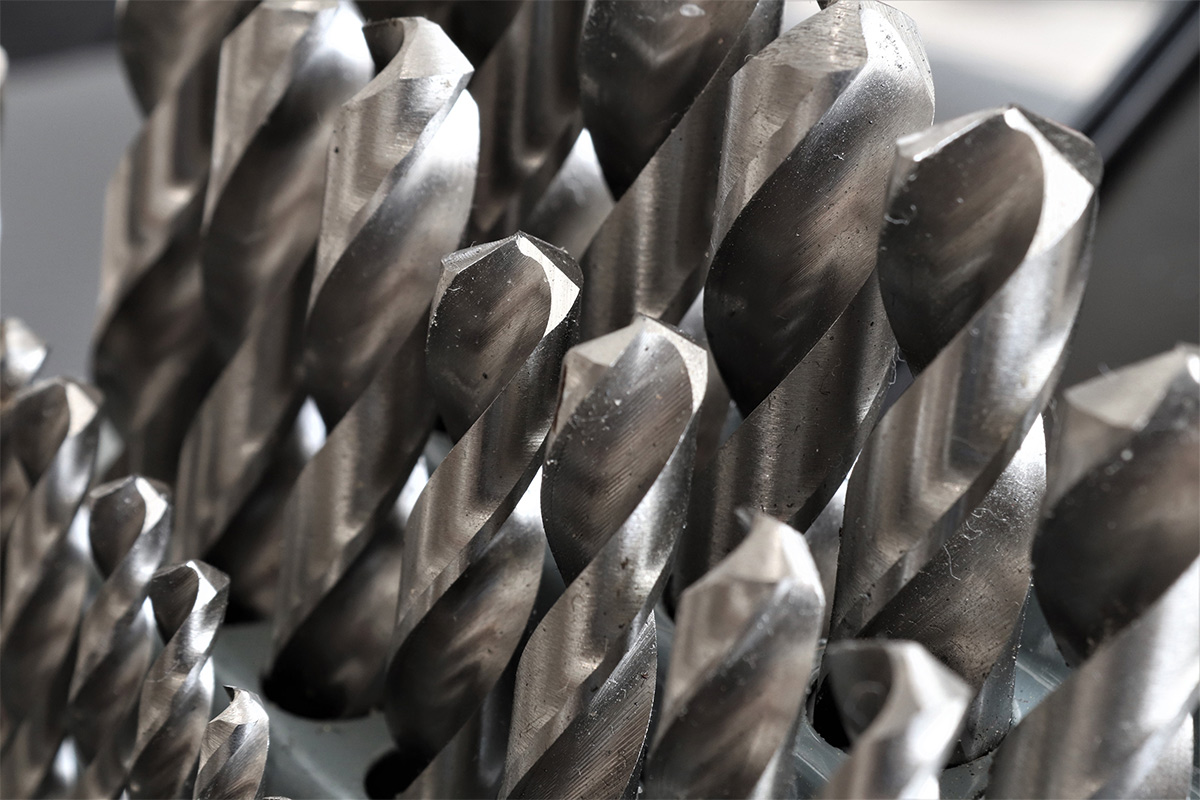
Drill Bits for Concrete and Masonry
Concrete, brick, and block are hard, abrasive materials that require masonry drill bits. These bits are designed with reinforced tips to break through tough surfaces rather than cut them cleanly.
For lighter work like drilling into brick or blockwork, standard masonry bits are suitable. For heavier tasks – such as drilling reinforced concrete or chasing channels – SDS drill bits are the better option. SDS Plus drill bits are designed to be used with SDS drills, while SDS Max drill bits are designed for larger machines and deeper holes. Chisel bits are useful for breaking out material, and dry core bits are used for larger diameter holes, such as pipe or ducting access.
Common mistake:
Using a standard metal or wood bit on masonry. This quickly blunts the bit and often fails to produce a clean or accurate hole.
Drill Bits for Cutting Steel
Steel drilling requires steel cutting bits, which cut cleanly while handling heat and resistance. Standard steel drill bits are the safest option when it comes to general metalwork. For thicker steel or repeated use, heavy-duty drill bits or cobalt-enhanced options last longer and maintain sharper cutting edges.
For fabrication and structural steelwork, mag broach bits and hand-held broach bits are designed to cut precise holes quickly, especially when used with magnetic drills. Step drills and step cutters are ideal for enlarging holes or working with sheet metal, while countersink bits and reamers help refine hole finishes.
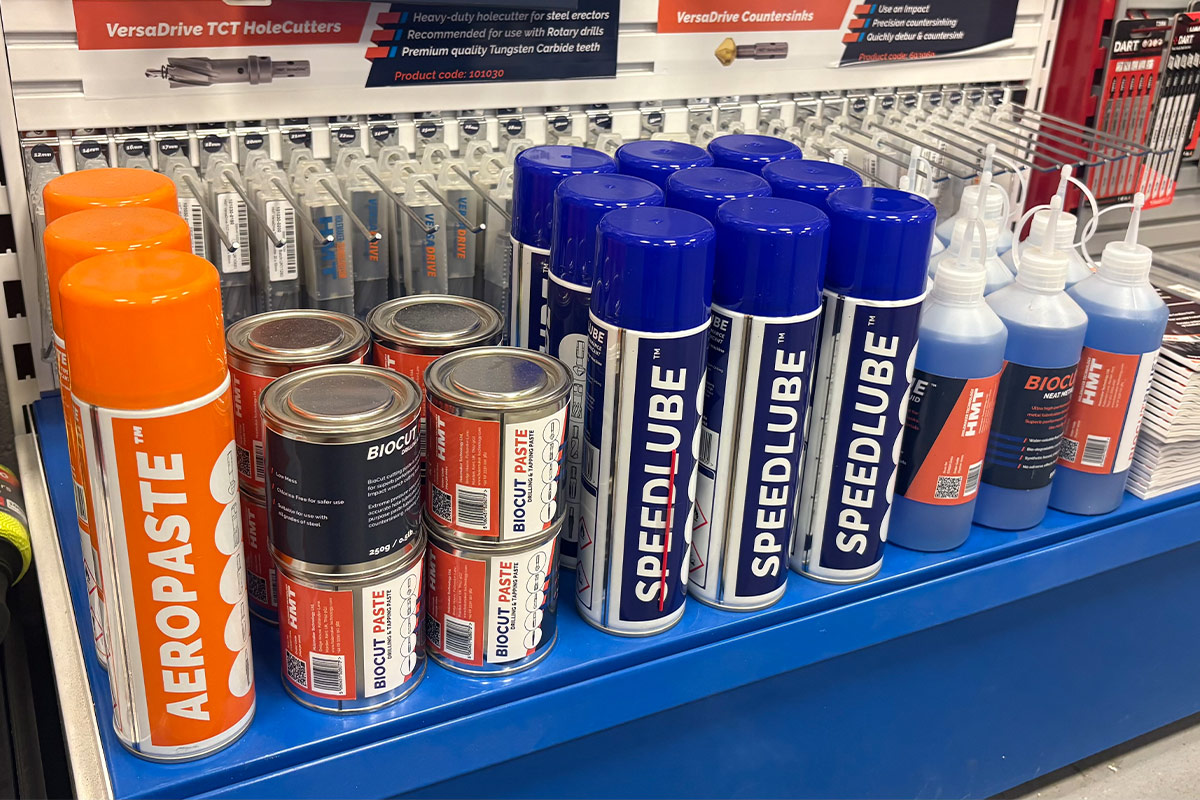
Using cutting oils & lubricants reduces heat, improves accuracy, and extends drill bit life.
Common mistake:
Drilling metal at high speed without lubrication which causes overheating and rapid wear.
Drill Bits for Wood
Wood requires sharp wood cutting bits that remove material cleanly without tearing the grain. Flat wood drill bits are ideal for quick, rough holes, particularly in construction timber. For deeper, more accurate drilling, wood auger drill bits are the better choice, as their threaded tip pulls the bit smoothly through the material.
Wood bits are not designed for masonry or metal and will blunt almost immediately if used incorrectly.
Common mistake:
Using masonry bits on wood, which leads to splintering and poor hole quality.
How to Find the Right Drill Bit Every Time
Always match the drill bit to the material, the hole size, and the tool you’re using. Consider depth, accuracy, and frequency of use, and don’t overlook accessories such as adapters or cutting lubricants where required.
Using the correct drill bit makes the job quicker, safer, and more reliable – and helps ensure fixings perform as intended.