
How to Choose the Right Fixings for Plasterboard Walls
Plasterboard is quick to work with, but it needs the right fixing. Unlike brick, block or concrete, plasterboard is usually thin and often has a hollow cavity behind it. That means a standard wall plug may not give you the secure hold you need. The good news is that there are plenty of specialist plasterboard fixings available, from lightweight drywall anchors to heavy duty cavity fixings for shelves, brackets and cabinets.
Why plasterboard fixings matter
When fixing into plasterboard, the aim is usually to spread the load behind the board or create a stronger grip within the cavity. Using the wrong fixing can lead to:
- Loose screws
- Damaged plasterboard
- Fixtures pulling away from the wall
- Poor load support
- Messy repair work later
The best fixing depends on the weight of the item, the wall type, and whether there is a cavity behind the plasterboard.
For light plasterboard fixing jobs
For lighter jobs, such as small signs, accessories, clips or lightweight brackets, simple drywall fixings can often be enough.
Options include:
- Metal Drywall Speed Plugs for quick fixing into plasterboard
- Toggler SnapSkru Drywall Anchors for simple drywall applications
- Hammer-In Fixings for fast, practical installation
These are useful when you need a quick and reliable plasterboard wall plug for lighter loads.
For heavier items and stronger hold
For shelves, wall brackets, mirrors, cabinets and similar fittings, a stronger cavity fixing is usually a better choice. These fixings are designed to expand, toggle or grip behind the plasterboard, helping to spread the load more securely.
Useful options include:
- Metal Cavity Anchors
- Snaptoggles
- Spring Toggles
- Gravity Toggles
- Rubber Ankernuts
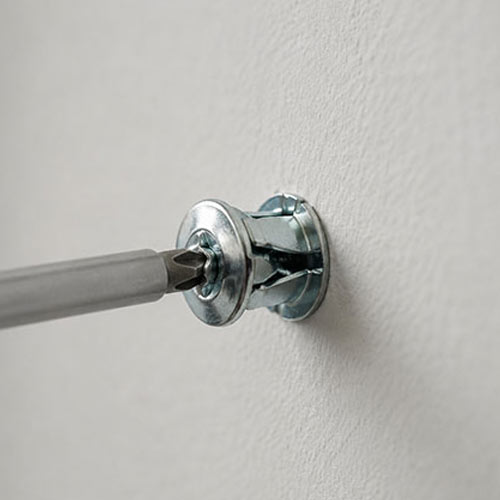
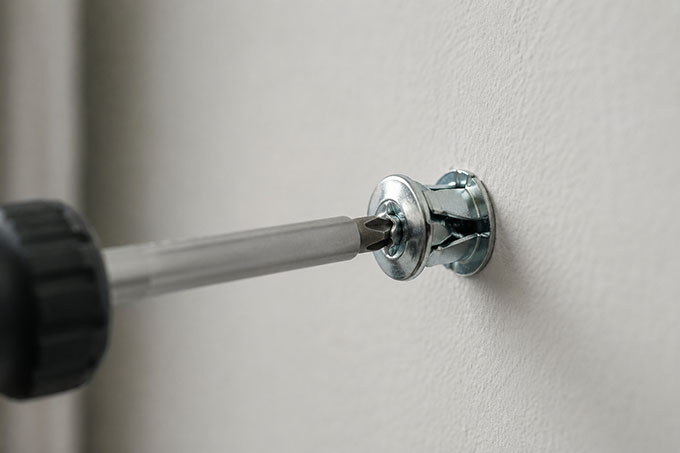
Metal cavity anchors are a popular choice for heavier plasterboard fixing jobs. They expand behind the board and are often used with a hollow wall anchor setting tool to create a firm, secure fixing.
For ceilings and hollow cavities
When fixing into ceilings or hollow walls, toggles can be especially useful because they open up behind the plasterboard.
Common choices include:
These are often used where access behind the board is limited and the fixing needs to spread the load across a wider area.
For dot and dab walls
Dot and dab plasterboard walls are slightly different. As dot and dab is plasterboard that has been glued directly to masonry, there is usually a gap between the plasterboard and the masonry behind it. As such, a normal plasterboard fixing may not be the best option.
For this type of wall, Corefix Dot & Dab Wall Fixings are designed to bridge the gap and secure into the solid wall behind the plasterboard.
Key Takeaway
There is no single “best” plasterboard fixing for every job; it depends on the weight of the object the fixing will be holding, the type of plasterboard and the cavity that will be available behind the plasterboard.
For light items, speed plugs, SnapSkru anchors or hammer-in fixings may be suitable. For heavier items, metal cavity anchors, snaptoggles, spring toggles or gravity toggles are often better choices. For dot and dab walls, Corefix fixings are the more suitable option.
Choosing the right plasterboard fixing from the start helps create a cleaner, stronger and more reliable installation.