
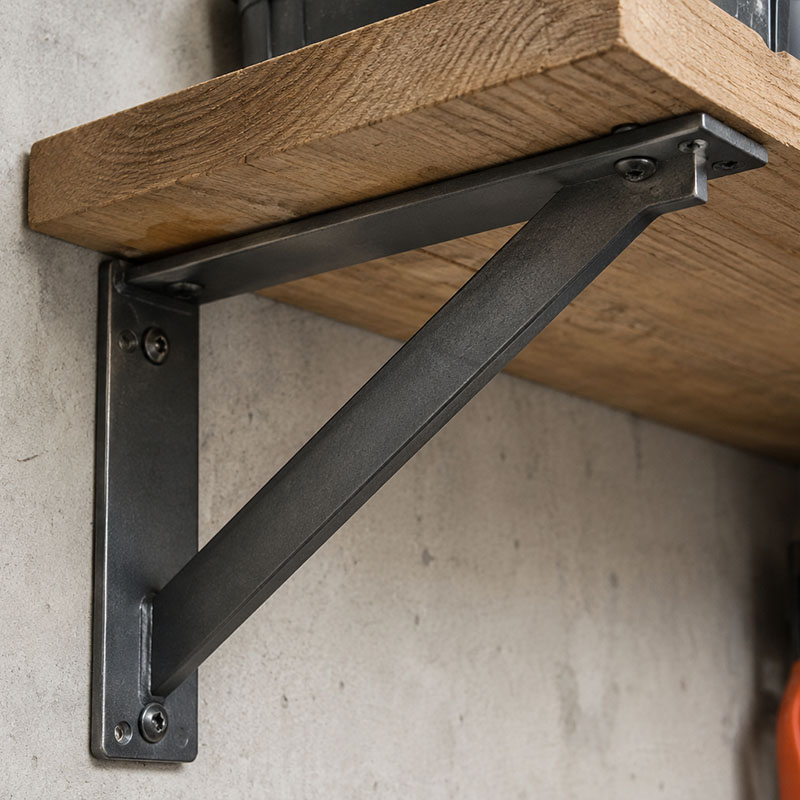
Which Heavy Duty Wall Fixing is Right for Your Shelving?
Shelving loads are often underestimated. Once in use, tools, equipment or books can turn a light bracket into a significant load on the fixing. The correct choice of fixing depends on the wall type and intended load. The weight of the shelf alone isn’t the only thing that you need to consider, but the weight of what that shelf will bear. A simple wooden shelf might not weigh much, but that quickly changes when it’s packed with books. Choosing the wrong fixing may cause the shelf to pull away from the wall, damaging not only the shelf but whatever was on it and the wall it was fixed into.
Start with the wall
The first step to knowing what fixing is best is to understand the material the fixing will be installed into. The right option depends heavily on the wall material, so check whether it is:
- Brick or block
- Concrete
- Plasterboard or drywall
- Dot and dab plasterboard
- Hollow or cavity
A fixing that works well in solid brick probably won’t be suitable for plasterboard, and a basic plasterboard plug won’t be strong enough for a tool shelf.
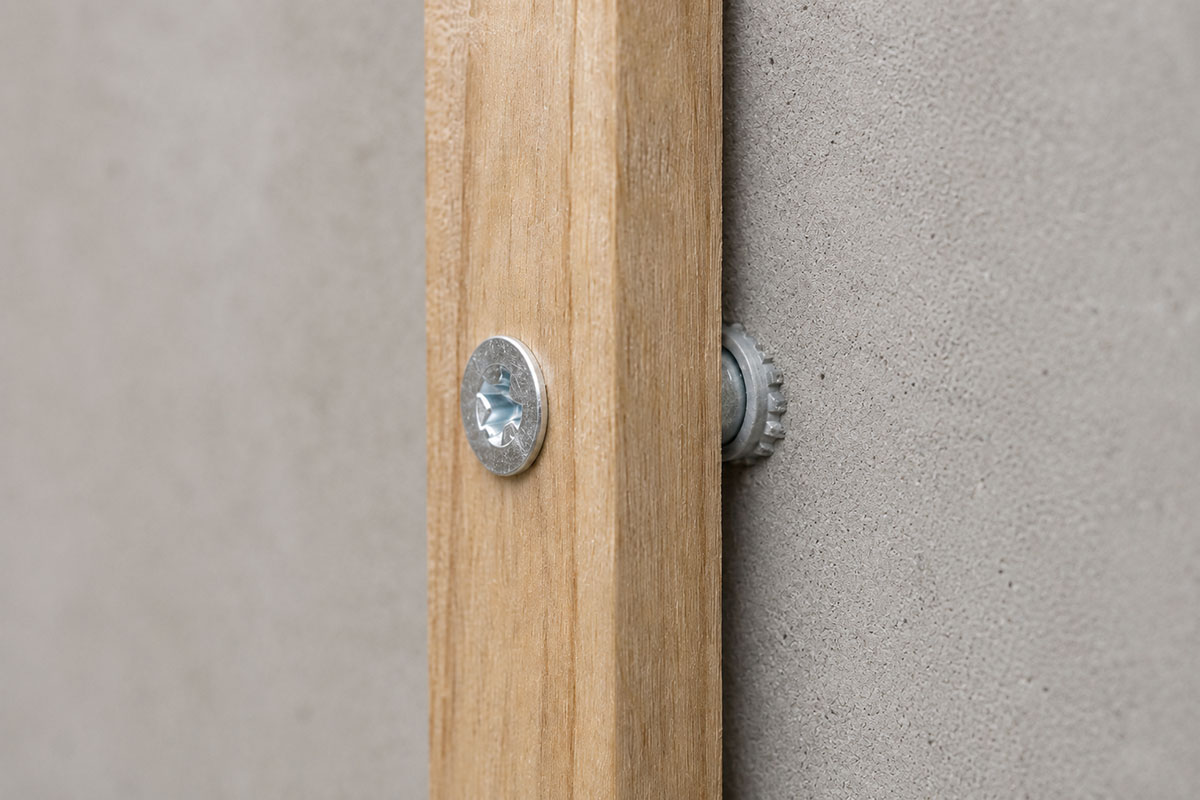
For brick, block and concrete walls
For solid masonry walls, you usually have strong fixing options. For lighter shelving on solid masonry, nylon plugs, frame fixings or concrete screws may be suitable.
For heavier shelving, look at stronger masonry fixings such as:
- Sleeve anchors – suitable in brick, block and concrete
- Shield anchors – ideal for heavier loads in solid masonry and concrete
- Through bolts – best for strong, permanent fixing into concrete or dense masonry
- Heavy-duty anchors – useful for high-load shelving, brackets and storage units
- Resin anchors – good for very strong fixing, especially in weaker or variable masonry
These are better suited to shelves carrying heavier loads, such as in a garage, workshop or storeroom.
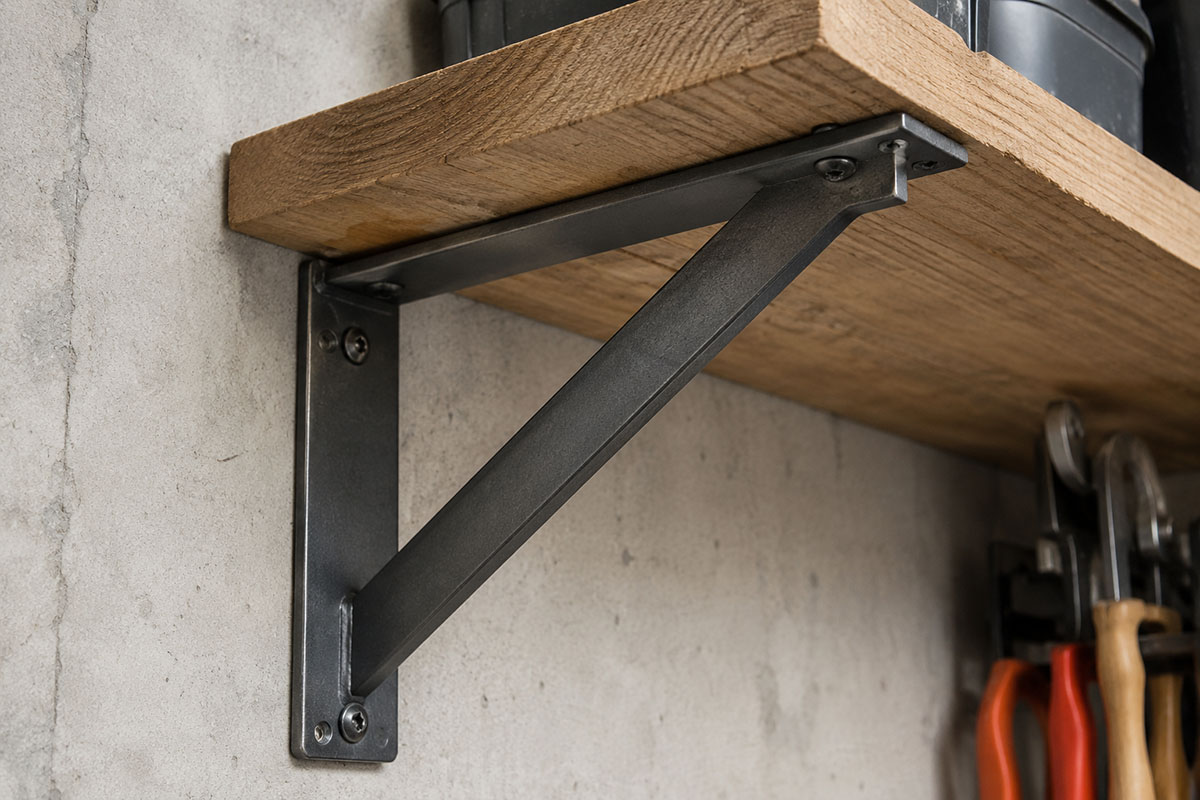
For plasterboard and cavity walls
Plasterboard needs fixings that spread the load behind the board. For shelving, avoid relying on basic plugs unless the shelf is very light, as they can’t provide enough mechanical grip.
Better options include:
- Metal cavity anchors – good for shelving and brackets fixed into plasterboard
- Spring toggles – useful for hollow walls and ceiling applications
- Gravity toggles – best for light to medium loads, such as shelving and wall cabinets
- Snaptoggles – ideal for heavier items on plasterboard and hollow walls
For dot and dab walls
Dot and dab walls have plasterboard fixed over masonry, with a small gap behind the board. This makes them awkward for normal plugs because the board can compress when tightened. Using a specialised fixing here is key, such as the Corefix Dot and Dab Wall Fixing.
Final tip
The best wall fixing for shelving depends on the wall, the shelf size and the expected load. Light, decorative shelves will only need simple plugs, but heavy shelves need stronger fixings into sturdy material. When in doubt, choose a fixing that is rated for more than the load you expect.