
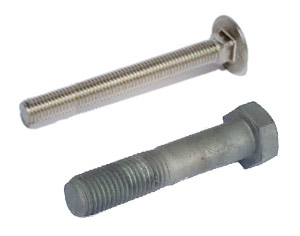
Different types of bolts
Bolts are used every day to fasten a connection between two materials, from lightweight applications in home DIY projects to heavy-duty connections at industrial facilities. These mechanical fasteners are non-permanent fasteners that can easily be removed and then re-used.
As Britannica describes “A bolted joint can be readily disassembled and reassembled; for this reason bolts or screw fasteners are used to a greater extent than any other type of mechanical fastener and have played an important part in the development of mass-produced articles and steel structures.”
What is the difference between bolts and screws?
Bolts are closely related to screws, however, one should not be confused with the other. Screws are often self-tapping fasteners that can directly be fastened into a surface, creating their own thread. Bolts will need to be fastened into a pre-drilled hole and fixed with a nut and washer.
What are the components of a bolt?
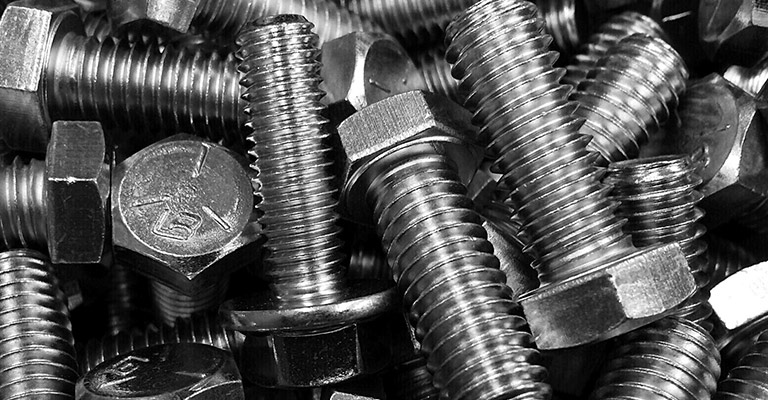
Bolts consist of a head and a cylindrical threaded body (or shank). These fasteners require a nut and washer to be installed. The nut will secure the bolt in place while the washer will help to spread the load.
Types of bolts.
At Speedy Fixings, we stock a vast collection of bolts for sale, from coach bolts to anchor bolts. Each type of bolt is best suited for a specific application, so it is essential to choose the right type of bolt for your project. So, what are the differences between the different types of bolts?
Hex bolts
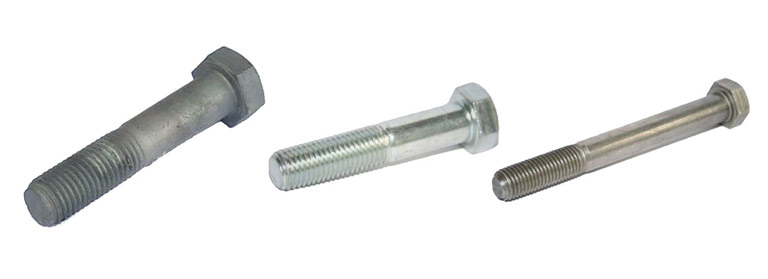
Hex bolts feature a forged hexagonal-shaped head, which is ideal to be gripped and turned by a wrench. These fasteners can be either fully threaded (known as setscrews) or partially threaded, and are often used to secure metal, wood, plastic and other materials.
Coach bolts
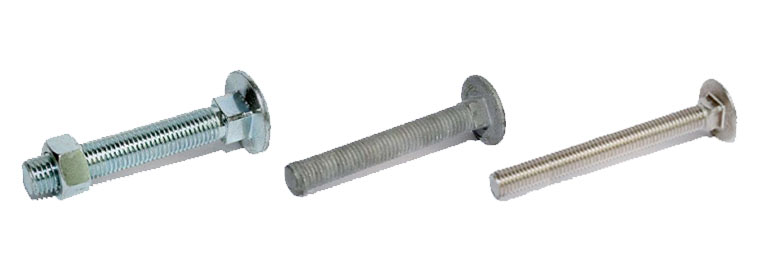
A coach bolt, also known as a carriage bolt, is most often used for woodwork applications, fastening wood to wood surfaces. Some more specialised versions of coach bolts can also be used to fasten metal to metal and wood to metal. Coach bolts feature a mushroom shaped head which sits on a square section, preventing the bolt from moving when being installed.
Blind bolts
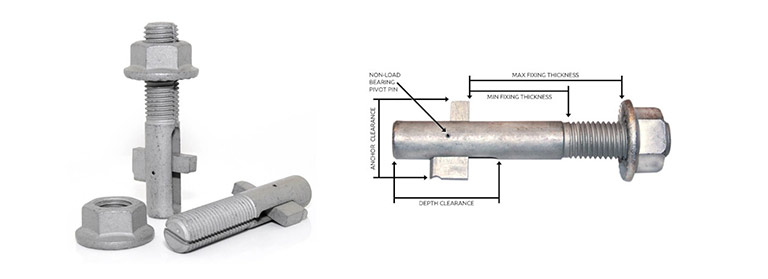
Blind bolts are designed to be used in areas where access to one of the sides of a surface is restricted. These bolts consist of three elements: a steel pin, sleeve and collar. When the bolt gets tightened, the collar creates pressure which collapses the expanded on the non-accessible side. At the same time, the sleeve will collapse to create a seal on the side that is accessible.
U bolts
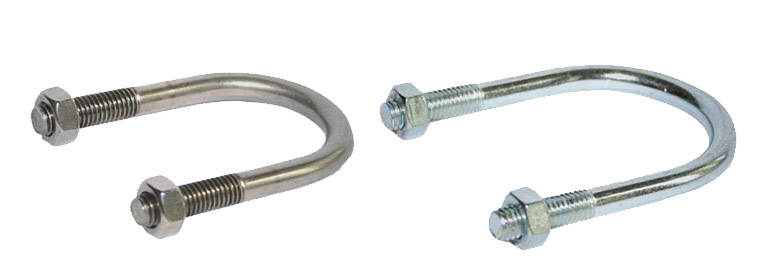
As the name suggests, U bolts are bent in the shape of the letter U. Their curved shape allows them to fit around poles, tubes, beams and pipes, being perfect to support pipework. U bolts feature two threaded ends to easily fasten nuts and washers.
Anchor bolts
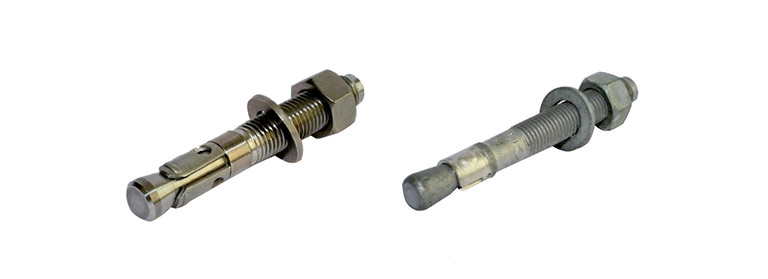
Anchor bolts are designed to attach components, including structural and non-structural elements, to concrete and masonry. There are a variety of anchor bolts available, from throughbolts and shield anchors to heavy duty anchor bolts and sleeve anchors.
Toggle bolts
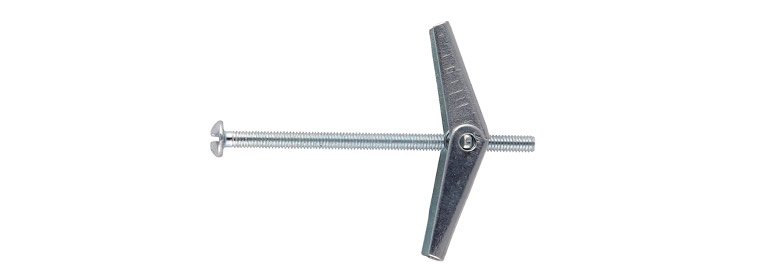
Toggle bolts are used to hang items on hollow walls and ceilings. These have spring-loaded wings that expand inside a hollow wall. This feature allows toggle bolts to spread the load and increase the loading capacity.
Discover these and many other types of fasteners at Speedy Fixings. If you require further information about our products, feel free to contact us. We can be easily reached by phone at 01206 793100 and by email at [email protected].